In today’s fast-moving digital world, businesses cannot always wait months for organic growth. This is where PPC Marketing (Pay-Per-Click Marketing) becomes a powerful growth engine. PPC allows brands to reach the right audience at the right time and pay only when someone actually clicks on their ad.
This blog explains PPC marketing in a clear, practical way—what it is, how it works, its benefits, and how businesses can use it effectively.
What is PPC Marketing?
PPC (Pay-Per-Click) Marketing is an online advertising model where advertisers pay a fee each time their ad is clicked. Instead of earning traffic organically, you buy visits to your website through platforms like search engines and social media.
The most common PPC platforms include:
- Search Ads (on search engines)
- Social Media Ads (on platforms like Facebook, Instagram, LinkedIn)
- Display & Remarketing Ads
- Shopping Ads for e-commerce
How PPC Marketing Works
The PPC process is structured and data-driven:
- Keyword Research
Advertisers select keywords their target audience searches for. - Ad Creation
Short, compelling ads are written with strong headlines and clear calls-to-action (CTA). - Bidding & Auction
Advertisers bid on keywords. Platforms use an auction system considering bid amount, relevance, and quality. - Ad Placement
Ads appear on search results, websites, apps, or social feeds. - Payment on Click
You only pay when someone clicks on your ad. - Tracking & Optimization
Performance is tracked and campaigns are optimized for better ROI.
Types of PPC Advertising
1. Search Ads
These ads appear at the top of search results when users search for specific keywords. They capture high-intent users who are already looking for a solution.
2. Display Ads
Visual banner ads shown across websites and apps. Best for brand awareness and remarketing.
3. Social Media Ads
Ads shown on social platforms based on interests, demographics, behavior, and location. Ideal for audience targeting and lead generation.
4. Shopping Ads
Product-based ads showing images, prices, and offers—highly effective for e-commerce businesses.
5. Remarketing Ads
Target users who visited your website but didn’t convert. These ads improve conversion rates significantly.
Key Benefits of PPC Marketing
✅ Instant Visibility
Unlike SEO, PPC delivers results immediately after launch.
✅ Highly Targeted Traffic
Target users by keywords, location, age, interests, device, and behavior.
✅ Budget Control
You decide daily or monthly budgets. No overspending.
✅ Measurable Results
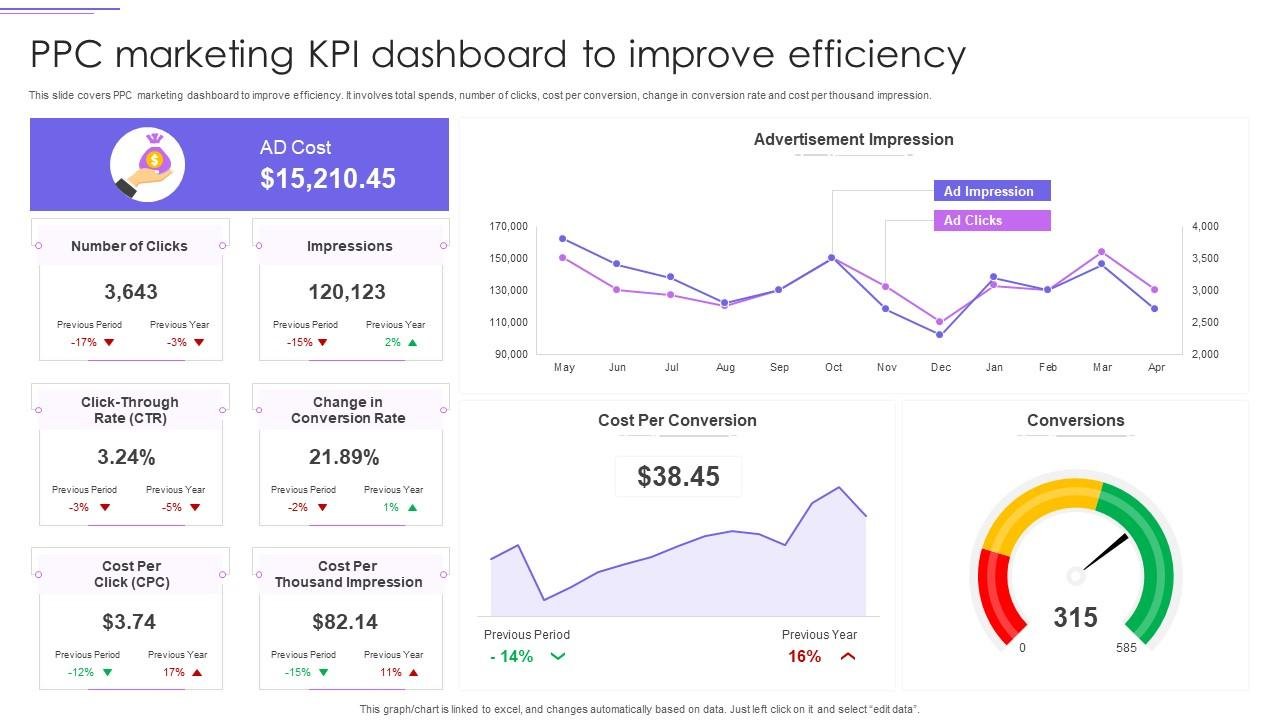
Track clicks, impressions, leads, conversions, and ROI in real time.
✅ Scalable Growth
Increase or decrease spend based on performance and business goals.
PPC vs SEO: Quick Comparison
| Factor | PPC Marketing | SEO |
|---|---|---|
| Results | Immediate | Long-term |
| Cost | Pay per click | Time & effort |
| Traffic Control | High | Limited |
| Scalability | Fast | Slow |
| Best For | Quick leads & sales | Sustainable growth |
👉 Best strategy: Use PPC for quick wins and SEO for long-term authority.
Best Practices for Successful PPC Campaigns
- Use high-intent keywords, not just high-volume ones
- Write clear, benefit-driven ad copy
- Optimize landing pages for conversions
- Track conversions, not just clicks
- Use A/B testing for ads and creatives
- Continuously optimize bids, keywords, and targeting
Common PPC Mistakes to Avoid
❌ Targeting broad, irrelevant keywords
❌ Sending traffic to poor landing pages
❌ Ignoring conversion tracking
❌ Not excluding negative keywords
❌ Running ads without ongoing optimization
Is PPC Marketing Right for Your Business?
PPC marketing is ideal if:
- You want quick leads or sales
- You are launching a new business or product
- You need local or location-based leads
- You want measurable, predictable growth
From startups to established brands, PPC works for almost every industry when executed strategically.
Final Thoughts
PPC marketing is not just about running ads—it’s about strategy, targeting, data analysis, and continuous optimization. When done correctly, PPC becomes one of the most cost-effective and scalable digital marketing channels.
If your goal is instant visibility, qualified traffic, and measurable ROI, PPC marketing is not optional—it’s essential.